
The Lifespan of a Texas Roof: How Long Do Shingles Actually Last in the Metroplex?
Most homeowners don’t think about their roof until water is dripping onto the kitchen floor. If you’ve been wondering whether your shingles are aging gracefully or quietly falling apart above your head, you’re not alone — and you’re asking exactly the right question. At Epic Roofing & Construction, we’ve helped hundreds of DFW homeowners navigate that exact uncertainty, and we’re here to give you straight answers backed by real experience.
Here’s the thing that surprises most people: a roof that looks fine from the driveway can already be years past its prime. In the DFW Metroplex, roofs face a punishment that most parts of the country simply don’t see — and that changes the entire conversation about how long your shingles should be expected to last.
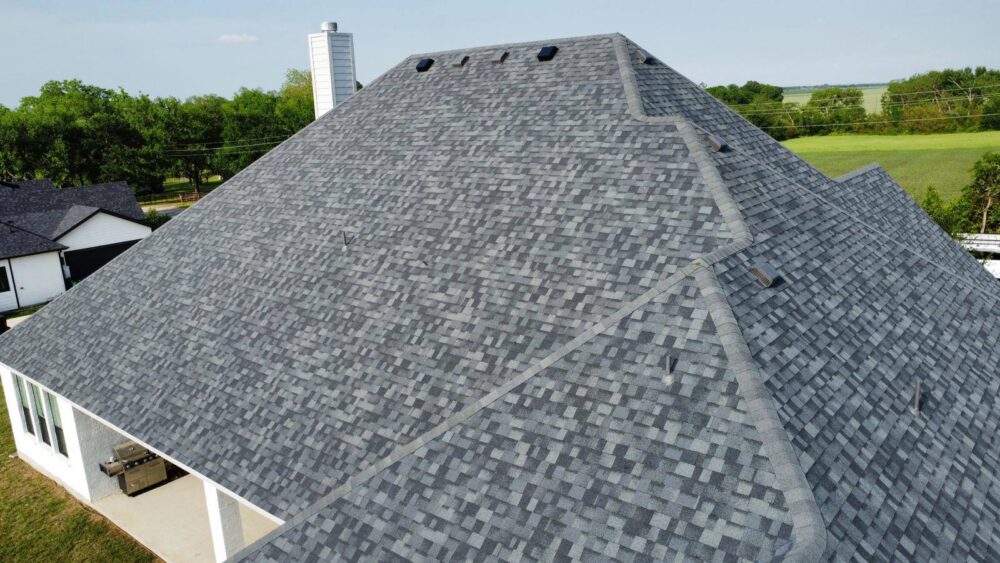
What the Manufacturer Says vs. What Texas Actually Does
Asphalt shingles — by far the most common roofing material in North Texas — are typically rated to last 20 to 30 years under standard conditions. The keyword there is standard. The Metroplex is anything but standard. Summers that regularly push past 100°F, rapid temperature swings between seasons, intense UV radiation, and the near-constant threat of hail storms create a perfect storm of wear that can trim years off a roof’s expected lifespan.
In practical terms, many DFW homeowners find that their shingles are showing real signs of deterioration somewhere between 15 and 20 years — sometimes sooner if the original installation wasn’t done with Texas weather in mind or if the attic ventilation is poor. Ventilation matters more than most people realize. When hot air gets trapped in your attic and has nowhere to go, it essentially cooks your shingles from the inside out, accelerating the breakdown of the granule layer that protects the shingle itself.
The Warning Signs That Tell the Real Story
You don’t need to climb on your roof to get a sense of how it’s holding up. One of the clearest early indicators is granule loss — those small, sand-like particles that show up in your gutters or at the base of your downspouts. Granules are the shingle’s armor against UV rays, and once they start shedding in significant quantities, the underlying material begins to deteriorate rapidly.
What to Look for From the Ground and Inside
Curling or cupping at the edges of shingles is another tell-tale sign, and it’s often visible from street level if you know what you’re looking for. Shingles that are curling upward at the edges (cupping) or buckling in the middle (clawing) are responding to moisture imbalance or age-related brittleness. Either way, they’re no longer providing a reliable barrier.
Inside your home, water stains on ceilings or in the attic after a heavy rain are obvious red flags, but don’t wait for those. If daylight is visible through your attic boards or if your energy bills have been creeping up without explanation, those can both point to roofing issues that are already in progress.
Hail: The DFW Wild Card
The Metroplex sits in one of the most hail-prone corridors in the entire country. A single significant hail event can do enough damage to warrant a full replacement — not because shingles fly off, but because the impact bruising compromises the granule layer across the entire surface. This type of damage often isn’t visible to the untrained eye, which is why post-storm inspections are worth scheduling even when everything looks okay from the ground.
So, When Is It Actually Time to Replace?
If your roof is approaching 15 years old and you’re in the DFW area, it’s worth getting a professional assessment — not because replacement is automatically necessary, but because knowing where you stand lets you plan ahead rather than react in a crisis. If it’s past 20 years, the odds are meaningful that you’re already in borrowed time.
Epic Roofing & Construction offers honest, pressure-free roof evaluations for Metroplex homeowners. Whether your roof has a few good years left or needs immediate attention, the right information puts you in control. Reach out today to schedule your assessment and get clarity on where your roof actually stands.