Spring Cleaning for Your Roof: How to Prep Your Home for the Upcoming Storm Season
Every spring, homeowners across the country crack open windows, deep clean closets, and refresh their living spaces, but one critical area almost always gets overlooked: the roof. After months of winter weather, your roof has quietly absorbed a beating from ice, wind, debris, and temperature swings. And with tornado and hail season approaching fast, the condition of your roof matters more than ever. At Epic Roofing & Construction, we have spent years helping homeowners get ahead of storm damage before it turns into a costly emergency, and we want to share what we have learned.
The numbers tell a sobering story. According to the Insurance Information Institute, hail and wind damage account for billions of dollars in homeowner insurance claims annually, making it one of the most common and expensive causes of property damage in the United States. The good news is that a significant portion of that damage is preventable. A properly maintained roof does not just protect your attic, it protects your ceilings, your walls, your insulation, your belongings, and your family. Treating your roof like the first line of defense it truly is changes how you think about spring maintenance entirely.
Start With a Thorough Visual Inspection
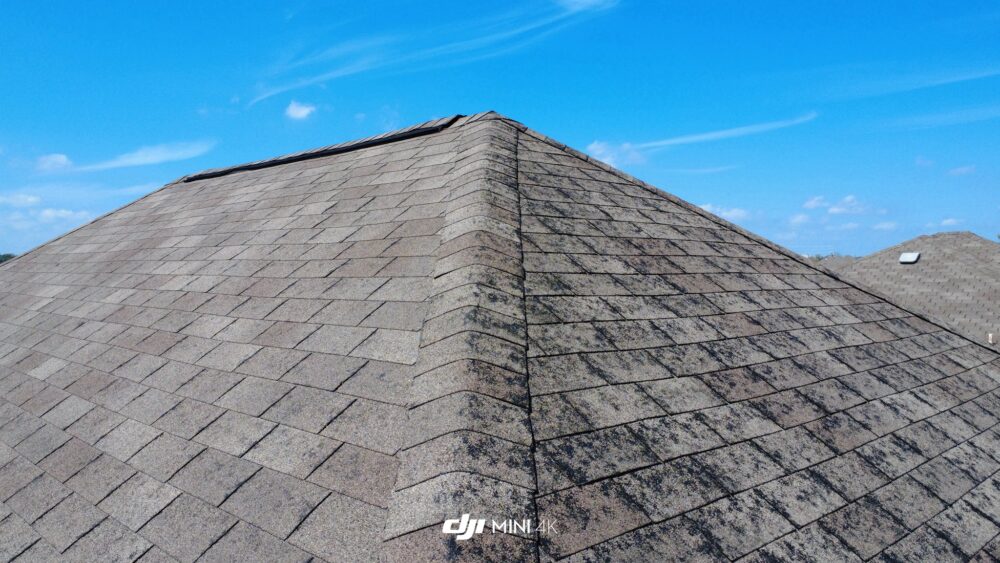
You do not need to be a roofing expert to notice when something looks off. Walk the perimeter of your home and look up at your roofline from the ground. What you are looking for are missing shingles, shingles that appear curled or buckled at the edges, dark patches or streaks that suggest moisture, and granule loss that leaves shingles looking thin or bare. Granules are those tiny pebble-like particles on the surface of asphalt shingles, and their job is to deflect UV rays and absorb impact. When they start washing away into your gutters, your shingles are telling you they are aging out of peak performance.
If you spot anything concerning from the ground, resist the urge to climb up and investigate yourself. Roof surfaces can be slippery and uneven, and without the proper safety equipment, a DIY inspection can quickly become a hazard. A professional inspection from a trusted company takes the guesswork out of it and gives you a clear, honest picture of what you are working with before storm season arrives.
Clear Your Gutters and Downspouts
Clogged gutters might seem like a minor nuisance, but they create serious problems during heavy rain events. When water cannot flow freely through your gutters and downspouts, it backs up and pools along your roofline. That standing water works its way under shingles, into flashing gaps, and eventually into your home’s structure, causing rot, mold, and interior water damage. After a winter of falling leaves, seed pods, and debris accumulation, spring is the perfect time to clean everything out and check that your gutters are still properly secured to your fascia boards.
Pay Close Attention to Flashing
Flashing is the thin metal material installed around chimneys, skylights, vents, and roof valleys where two planes meet. It is specifically designed to seal these vulnerable joints against water intrusion, and it is one of the first places storm damage shows up. Flashing can pull away from surfaces, crack, or corrode over time, and even a small gap is enough for wind-driven rain to find its way inside. During any inspection, flashing should be examined carefully for separation, rust, or improper sealing.
Trim Overhanging Tree Branches
Trees add beauty and shade to your property, but branches hanging over your roof are a genuine liability during severe weather. High winds can snap a branch in seconds, and even a relatively small limb dropping onto your roof at the wrong angle can crack shingles, puncture decking, or damage gutters. The general recommendation among roofing professionals is to keep branches trimmed back at least six feet from your roofline. It is a simple step that dramatically reduces your risk when a storm rolls through.
Schedule a Professional Roof Assessment Before Storm Season Peaks
A professional eye catches what a homeowner standing on the ground simply cannot. Trained roofers know where to look for early warning signs of shingle failure, ventilation issues, soft spots in decking, and wear patterns that indicate structural stress. Getting an inspection done in spring, before the most intense storm activity arrives, puts you in a position to make proactive repairs rather than emergency ones. Emergency repairs after a storm cost more, take longer, and often happen under the worst possible conditions.
At Epic Roofing & Construction, we believe every homeowner deserves honest answers and quality workmanship they can count on when it matters most. Spring is your window to get ahead of what storm season brings. Take it. Contact us today to get started!