Texas Heat and Your Roof: Why Attic Ventilation Is Everything
In the Dallas-Fort Worth area, summer temperatures routinely push past 100°F, and that heat doesn’t just make your backyard uncomfortable, it silently works against one of the most valuable parts of your home: your roof. At Epic Roofing & Construction, we’ve spent years helping DFW homeowners understand something that most people never think about until it’s too late. The difference between a residential roof that lasts 15 years and one that lasts 30 often has nothing to do with the shingles themselves. It comes down to what’s happening in the space just beneath them.
Attic ventilation is one of the most misunderstood and underestimated aspects of home maintenance in North Texas. Most homeowners assume that as long as their shingles look intact, their roof is doing its job. But without proper airflow moving through the attic, heat and moisture accumulate in ways that cause serious, expensive damage, often before a single shingle cracks or curls. The good news is that proper ventilation is a straightforward problem to solve, and understanding how it works puts you in a much stronger position to protect your investment for the long haul.
What Happens Inside an Unventilated Attic
When your attic lacks adequate airflow, temperatures inside can climb to 150°F or higher on a Texas summer afternoon. That extreme heat radiates downward into your living space, forcing your air conditioner to work overtime, but more critically, it also radiates upward into your roofing materials. Asphalt shingles, which are the most common roofing material in the DFW region, are particularly vulnerable to this kind of prolonged thermal stress. The oils that keep shingles flexible and weather-resistant literally bake out of the material over time, causing premature brittleness, cracking, and granule loss.
Beyond heat, moisture is the other major threat. Even in a dry climate like North Texas, temperature differentials between day and night create condensation inside attic spaces. Without ventilation channels to carry that moisture out, it settles into your roof decking, which is the plywood or oriented strand board that your shingles are nailed to. Over months and years, this moisture causes the decking to warp, delaminate, and eventually rot. A roof deck replacement is a significant expense that proper ventilation can almost entirely prevent.
Research from the Asphalt Roofing Manufacturers Association consistently shows that poor attic ventilation is one of the leading contributors to premature roof failure across the country, and in high-heat climates like ours, the problem is amplified considerably.
The Balance That Makes Ventilation Work
Effective attic ventilation isn’t just about having a few vents somewhere on your roof. It requires a balanced system with both intake and exhaust working together. Intake vents, typically soffit vents installed along the underside of your roof’s eaves, draw cooler outside air into the attic at the lowest point. Exhaust vents, installed near the peak of the roof, allow hot air to escape naturally as it rises. This creates a continuous flow, often called the stack effect, that keeps temperatures and moisture levels manageable year-round.
When only one side of this equation is present, problems follow quickly. An attic with plenty of exhaust vents but blocked or missing soffit vents will actually create negative pressure, pulling conditioned air from your living space into the attic and spiking your energy bills. Conversely, lots of intake with poor exhaust traps hot, humid air at the top of the attic where it does the most damage to your roof structure.
How Much Ventilation Does Your DFW Home Actually Need?
The general standard used by most roofing professionals is a minimum of 1 square foot of net free ventilation area for every 150 square feet of attic floor space, with that total split evenly between intake and exhaust. For a typical DFW home with 1,500 to 2,000 square feet of attic, that means a meaningful amount of ventilation that many homes simply don’t have.
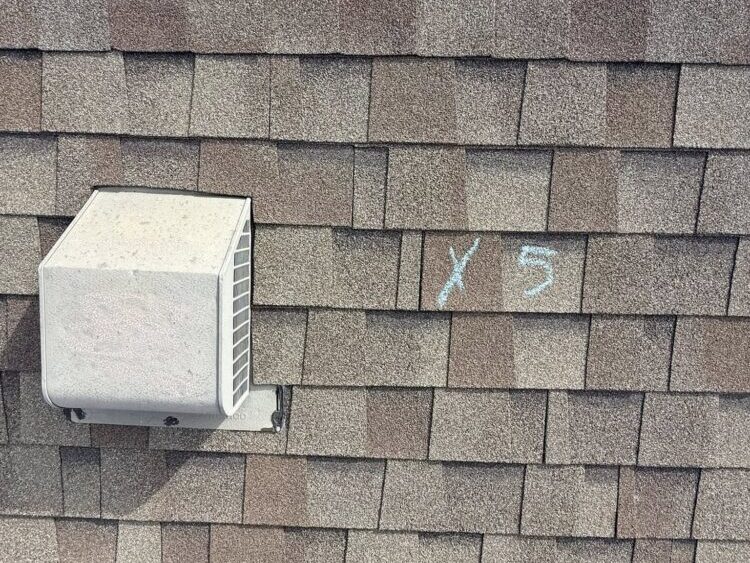
There are also different ventilation products suited to different roof styles. Ridge vents run along the peak of the roof and offer consistent, low-profile exhaust across the entire ridge line, making them a popular and effective choice in the area. Power ventilators, or attic fans, can supplement passive ventilation in older homes that are difficult to retrofit with adequate soffit venting. Turbine vents, the spinning metal fixtures many people recognize from older Texas homes, can also be effective when properly installed and maintained.
Signs Your Attic Ventilation May Be Failing
There are several warning signs DFW homeowners should watch for. If your energy bills spike noticeably during summer, your attic may be allowing excess heat to transfer into your living space. Ice dams in winter, while less common here, can also indicate poor airflow. Shingles that are curling, blistering, or losing granules faster than expected are classic signs of heat damage that ventilation problems often accelerate. Inside the attic, look for dark staining on the decking or insulation, which signals moisture accumulation, as well as any visible sagging or soft spots in the decking.
If you’re not comfortable climbing into your attic, an inspection from a qualified roofing contractor can identify these issues quickly and accurately.
Protecting Your Roof Starts with a Conversation
The roof over your DFW home is a long-term investment, and like any investment, it benefits from thoughtful maintenance and the right conditions to thrive. Attic ventilation isn’t glamorous, but it may be the single most cost-effective thing you can do to extend your roof’s lifespan and keep your home energy-efficient through the brutally hot Texas summers.
The team at Epic Roofing & Construction is ready to assess your home’s current ventilation situation and recommend solutions that make sense for your roof type, your budget, and the climate you’re dealing with every day. Reach out today to schedule a comprehensive roof inspection, because the best time to address a ventilation problem is before it becomes a roofing emergency.