Beating the Triple Digits: How Your Roof Can Lower Your Summer AC Bills in Dallas
When the temperature in Dallas climbs past 100 degrees in the Summer and your thermostat feels like it’s running a marathon it can never finish, most homeowners reach for the same solution: turn the AC down lower and hope for the best. What rarely crosses anyone’s mind is that the biggest factor driving those sky-high energy bills might be sitting right above their heads. At Epic Roofing and Construction, we have spent years helping Dallas homeowners understand one of the most overlooked truths in home performance: your residential roof is either your greatest ally against the Texas summer, or it is quietly making things much worse.
The math here is pretty straightforward. The U.S. Department of Energy estimates that a poorly performing roof can cause a home to absorb significantly more solar heat, forcing air conditioning systems to work 10 to 15 percent harder just to maintain a comfortable indoor temperature. In a climate like Dallas, where triple-digit days are a seasonal expectation rather than a surprise, that added strain translates directly into real dollars leaving your wallet every single month from May through September.
Why Your Roof Absorbs More Heat Than You Think
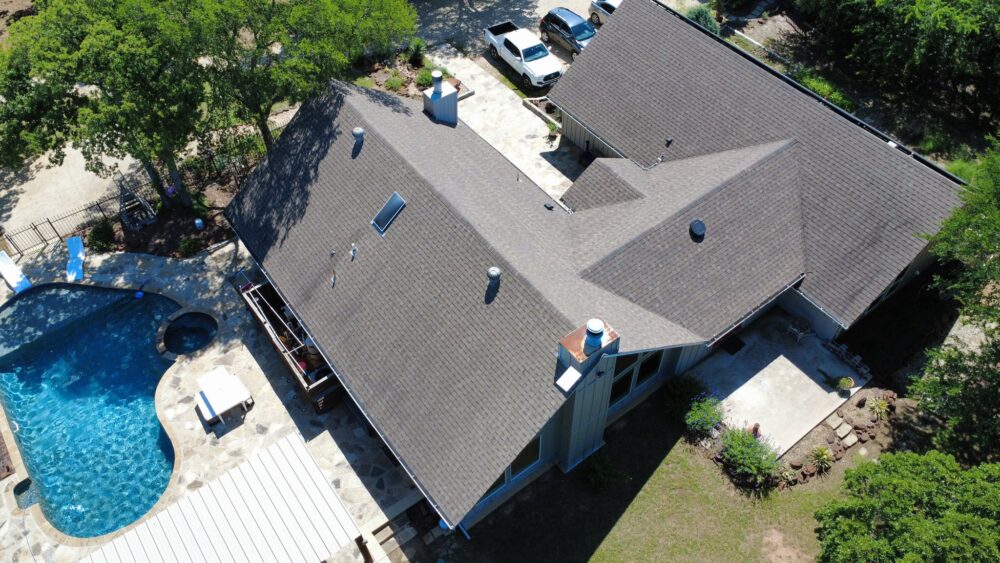
Most homeowners picture their roof as a passive barrier, something that keeps rain out and not much else. In reality, your roof is one of the largest solar-absorbing surfaces on your entire property. On a 100-degree day in Dallas, a traditional dark asphalt shingle roof can reach surface temperatures of 150 to 190 degrees Fahrenheit. That heat does not just stay on the surface. It radiates downward into your attic space, and from there it bleeds into your living areas regardless of how much insulation you have installed.
This phenomenon is called thermal transfer, and it is the silent partner in your summer energy bill. Your air conditioning system is not just cooling the air inside your home. It is also fighting a constant battle against the heat being conducted downward from a superheated roof deck. The harder that battle gets, the more energy gets consumed, and the higher your monthly utility costs climb.
Roofing Materials That Actually Make a Difference
Not all roofing materials respond to the Dallas sun the same way, and choosing the right one during a replacement is one of the highest-return investments a homeowner can make in long-term energy efficiency.
Cool Roof Shingles
The roofing industry has developed what are commonly called “cool roof” products, which are shingles engineered with reflective granules that bounce solar energy away from the surface rather than absorbing it. These products carry an Energy Star rating and have been shown in independent studies to reduce rooftop surface temperatures by 50 to 60 degrees compared to traditional shingles. That reduction in surface heat means significantly less thermal transfer into your attic and living spaces.
Metal Roofing
Metal roofing has grown in popularity across the Dallas area for good reason. Metal naturally reflects a high percentage of solar radiation, and when coated with reflective finishes, it performs even better in direct sunlight. Metal roofs also cool down quickly after sunset, meaning they do not continue radiating stored heat into your home through the evening hours the way that dark asphalt can.
Tile Roofing
Clay and concrete tile roofs have long been popular in hot climates because their natural composition and the air gap created beneath each tile allow for passive ventilation. This airflow helps dissipate heat before it ever reaches the roof deck, providing a natural layer of thermal protection that flat shingles simply cannot replicate.
Attic Ventilation: The Missing Piece Most Homeowners Ignore
Even the most reflective roofing material on the market will underperform if your attic ventilation system is inadequate. Attic ventilation works by allowing superheated air to escape from the attic space continuously, preventing the buildup of heat that would otherwise transfer into your living areas. A properly ventilated attic should maintain a temperature much closer to the outdoor air temperature rather than baking at 160 degrees or more like an inadequately ventilated one often does.
Ridge vents, soffit vents, and powered attic fans all play a role in creating the airflow your attic needs. When these systems are working together correctly, they create a continuous cycle of fresh air moving through the attic, flushing out heat before it has a chance to settle and radiate downward.
What This Means for Your Energy Bill
The combined effect of a reflective roofing material and a properly designed ventilation system is substantial. Homeowners who upgrade both components during a roof replacement routinely report measurable reductions in their summer cooling costs, with some studies pointing to savings in the range of 15 to 25 percent on monthly energy bills. Over the course of a Dallas summer, that adds up to hundreds of dollars that stay in your pocket rather than going to the utility company.
Making the Right Decision for Your Home
If your roof is approaching the end of its lifespan or if you have noticed your summer energy bills creeping higher year after year, it is worth having a professional assessment done before your next replacement. The choices you make about materials and ventilation during that process will affect your comfort and your energy costs for the next 20 to 30 years.
The team at Epic Roofing and Construction offers free roofing assessments for Dallas homeowners and specializes in helping families choose the right combination of materials and ventilation solutions for the Texas climate. Reach out today to schedule your consultation and find out exactly what your roof could be doing better.